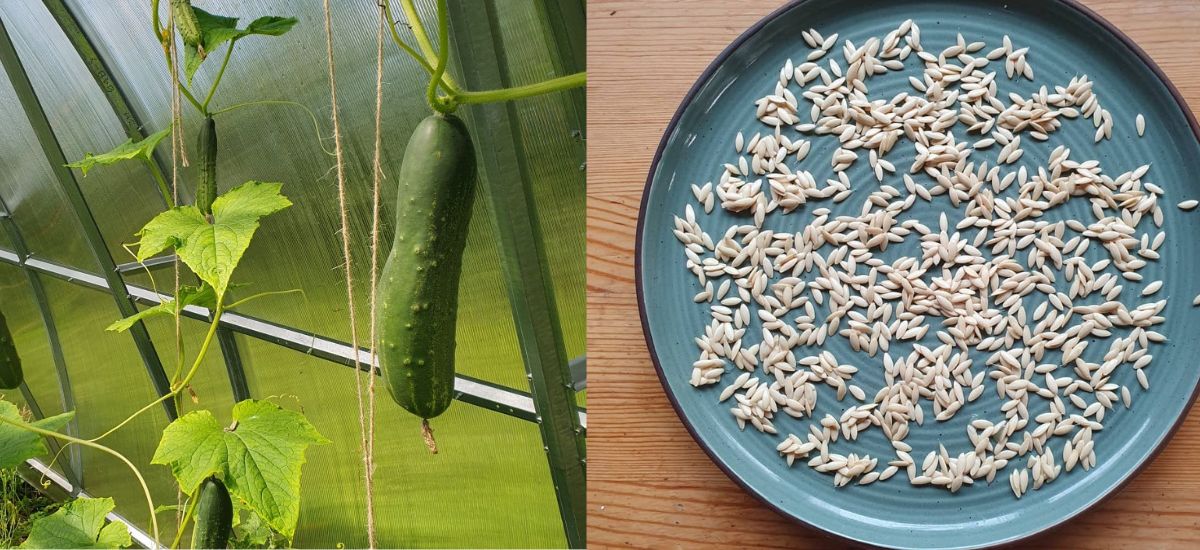
Seed Processing with Fermentation
Plants which have fruits require wet processing to extract and clean the seed. With vegetables, this applies to the Solanaceae and Cucurbit families. Tomato and cucumber seeds are surrounded by a germination inhibiting sac to prevent them from germinating in the wet environment of their particular fruits. These need fermentation to remove that gelatinous layer. The below process highlights this for for cucumber but the same steps apply for tomatoes.
Fermenting
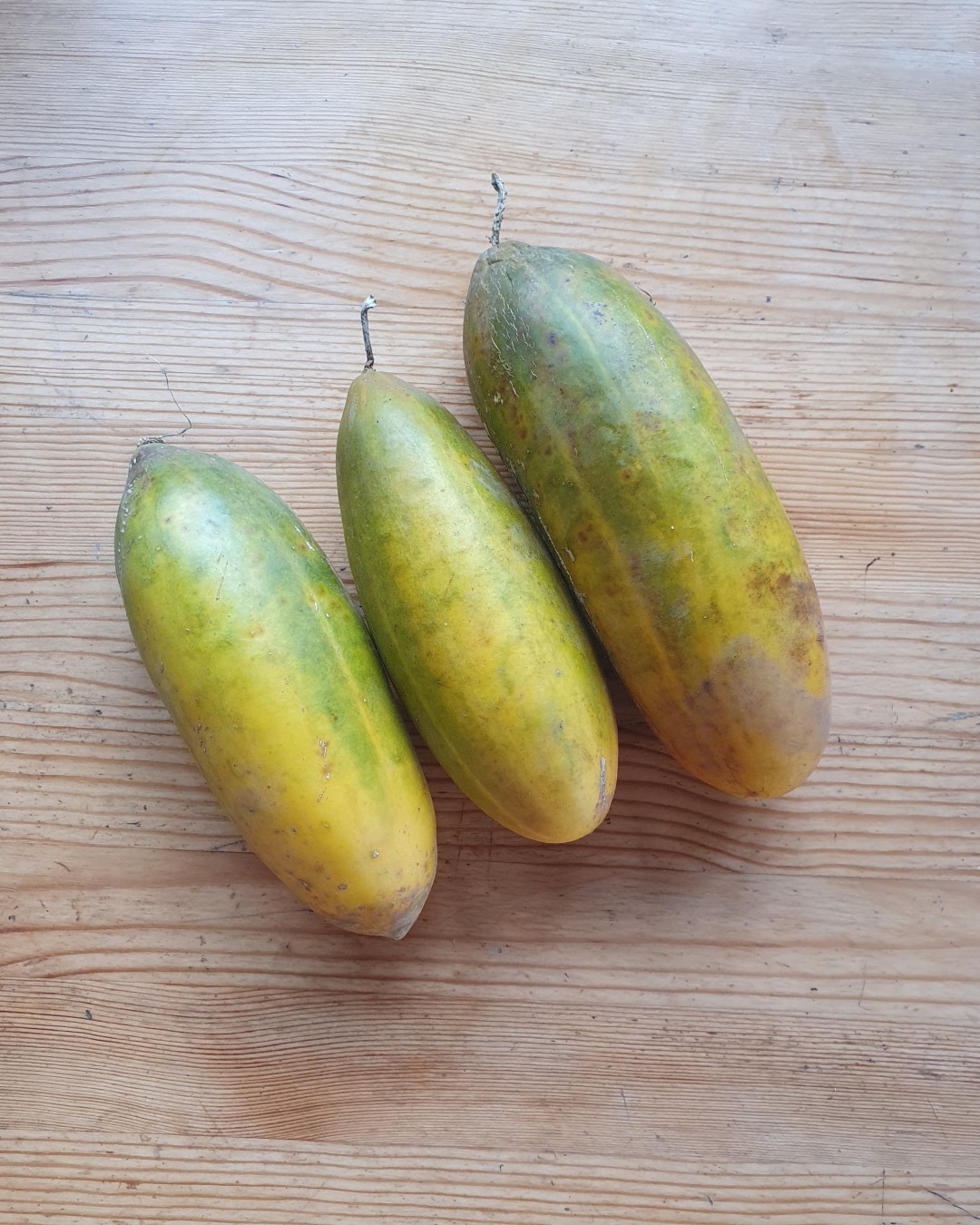
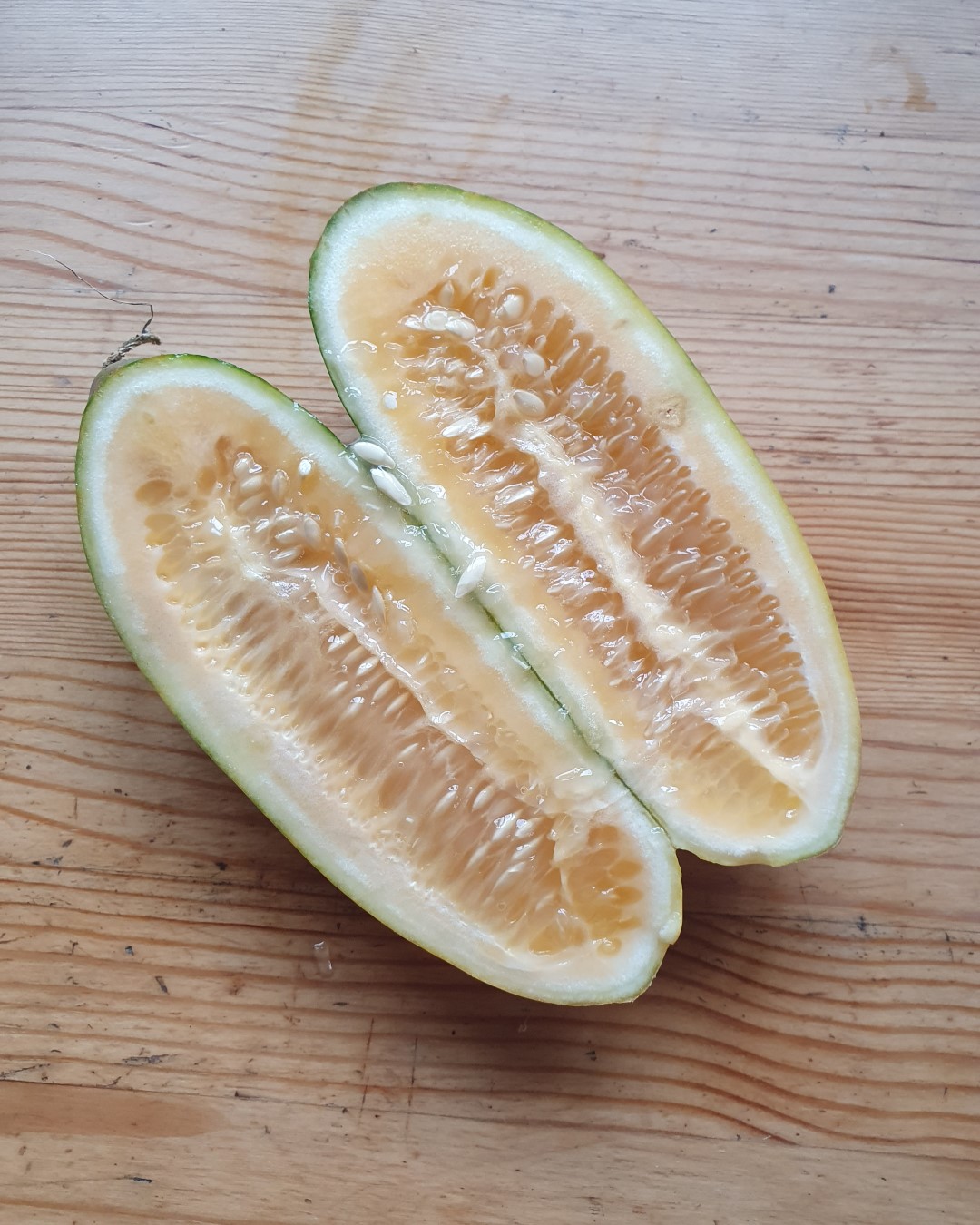
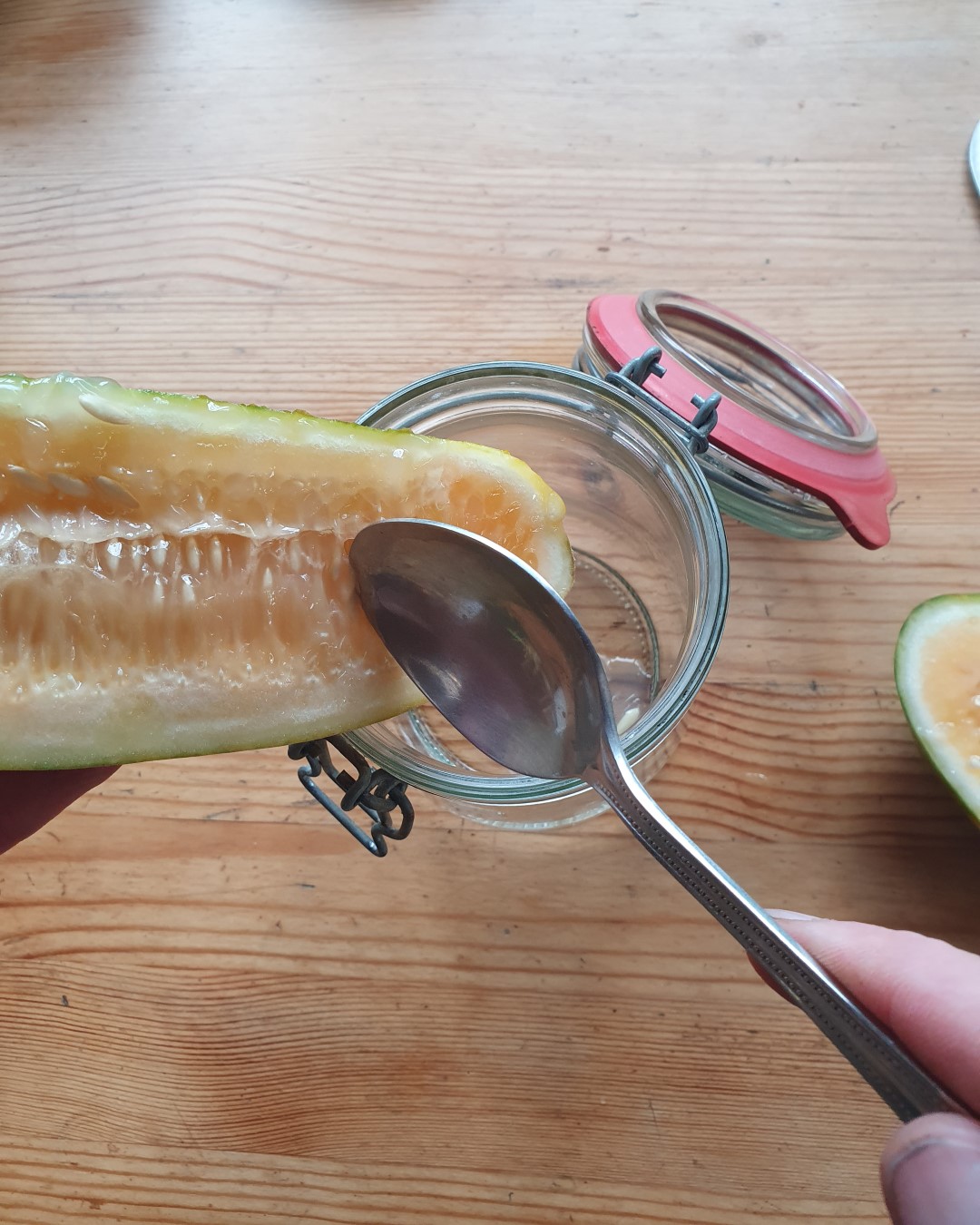
First choose suitably ripe fruits. For cucumber they will have turned yellow in colour. Cut the cucumber in half and scrape the seeds into a glass jar container. Add a small amount of water (a pinch of sugar can also be added to help fuel the fermentation process). The jar should not be sealed fully and placed somewhere warm. 23-30°C is ideal for fermentation. Stir occasionally to prevent mold buildup and keep the fermentation even through the solution. Usually a day or two is enough. If you wait too long the seeds can be spoiled as without the gelatinous layer they can imbibe water and germinate. They are ready when the seed loses its slippery feeling and feels rough (the seed sinking also indicates the sack has dissolved).
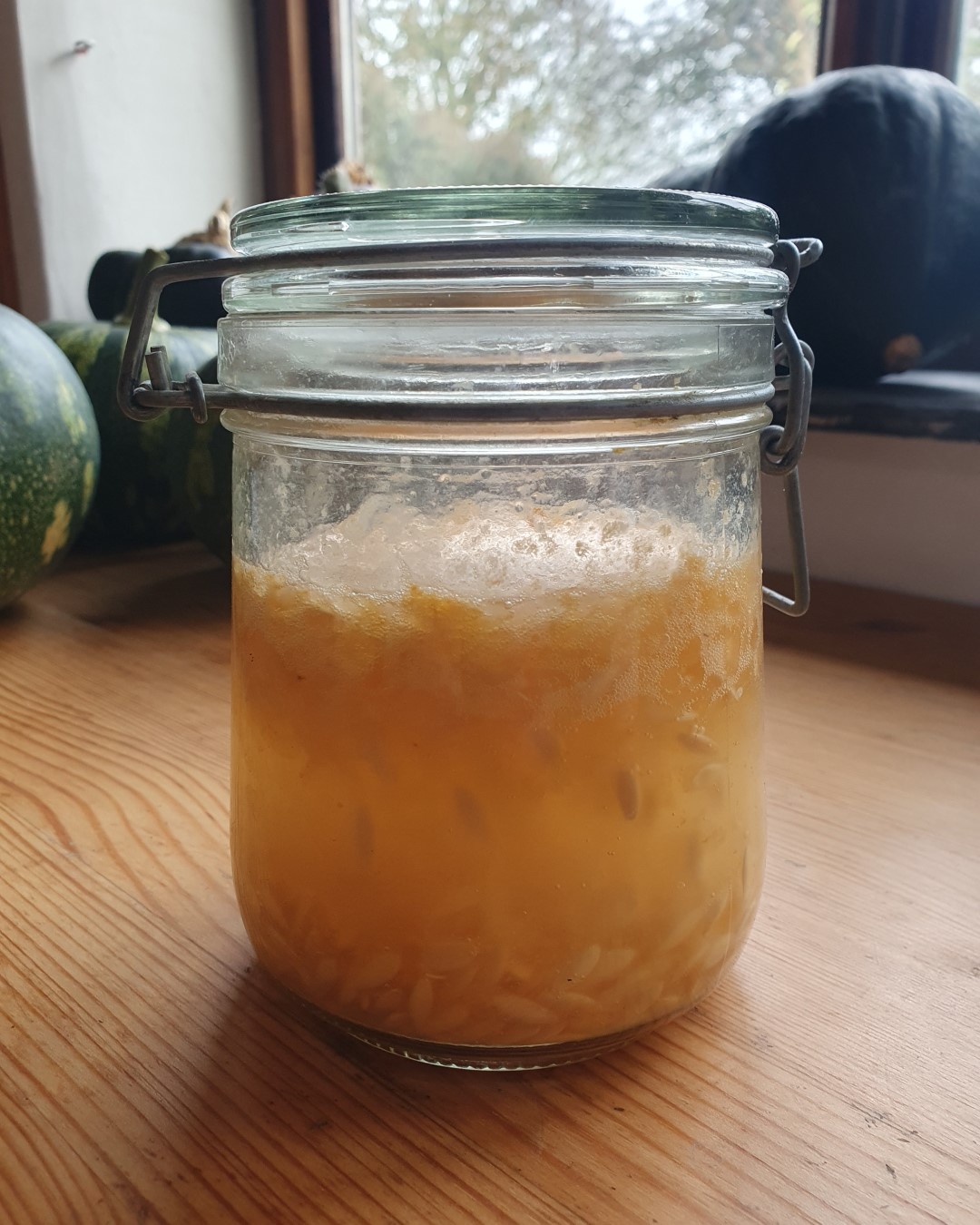
Cleaning
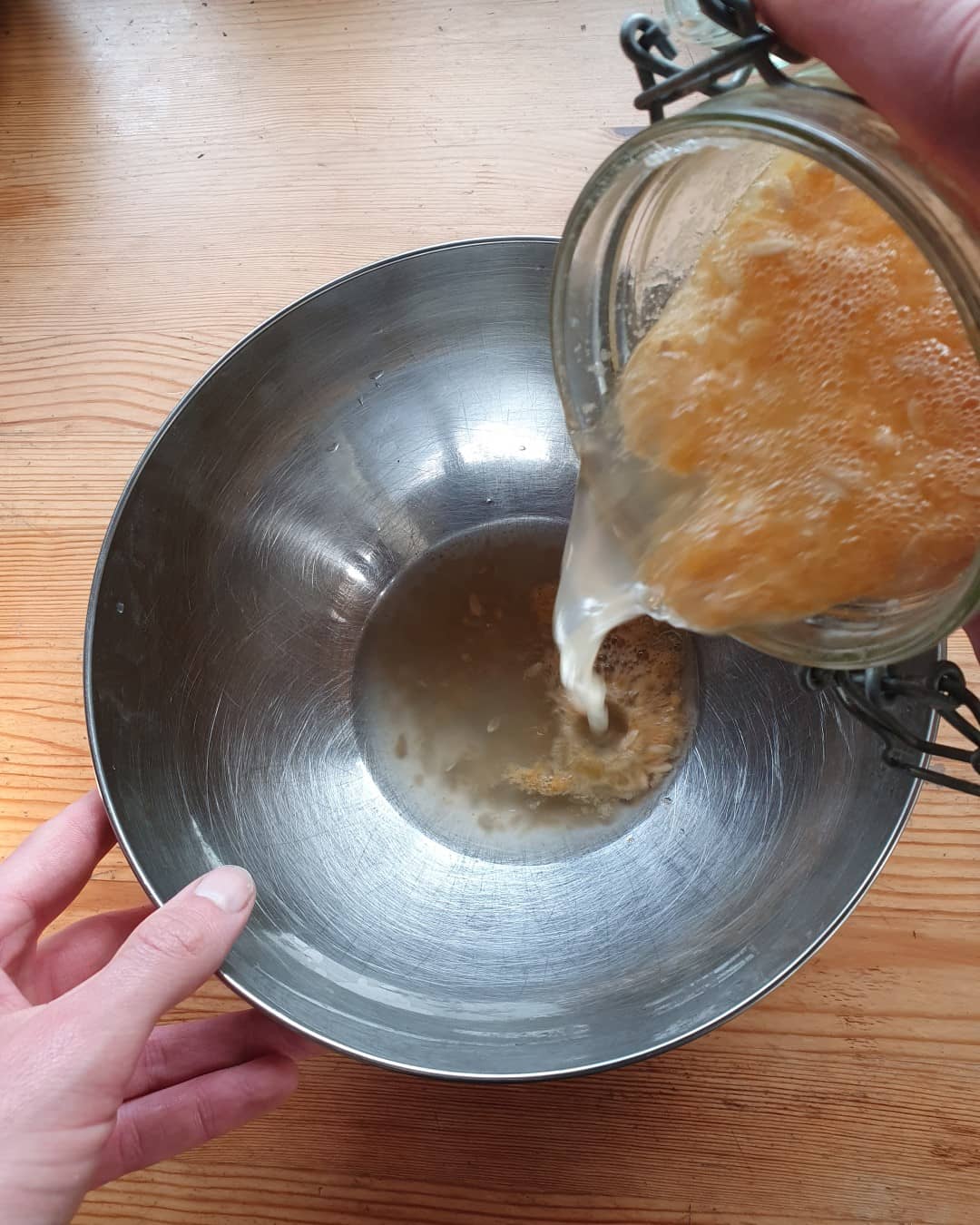
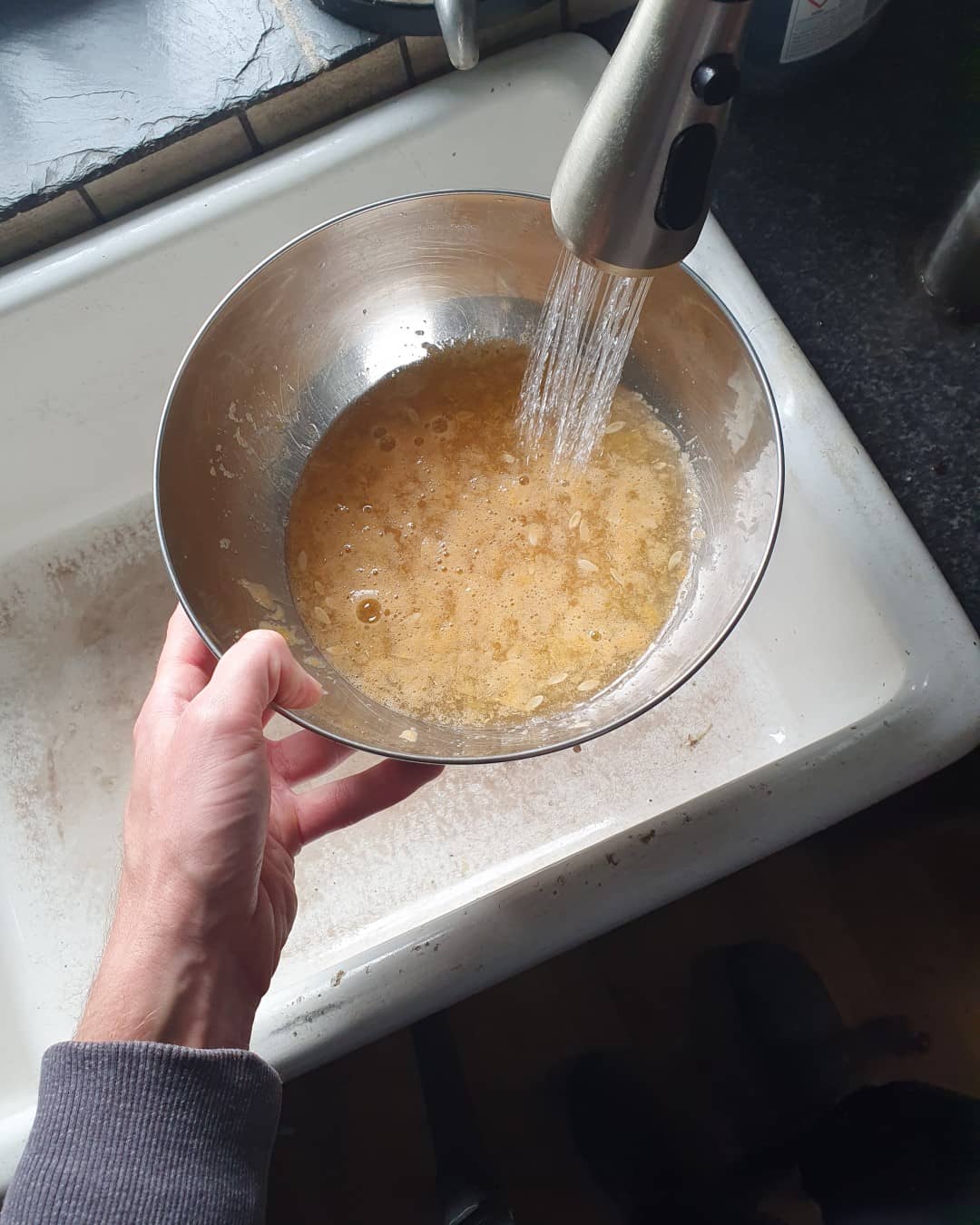
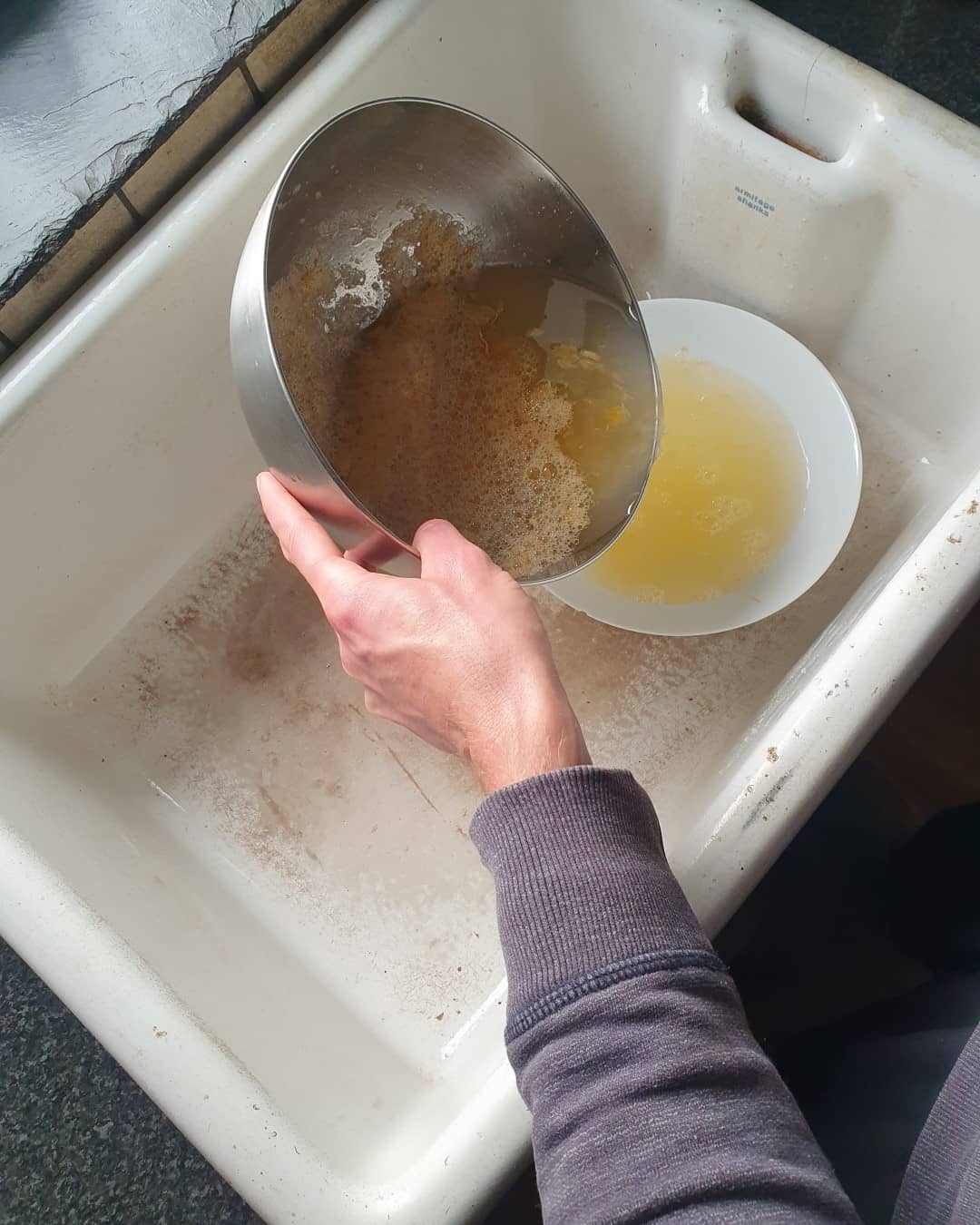
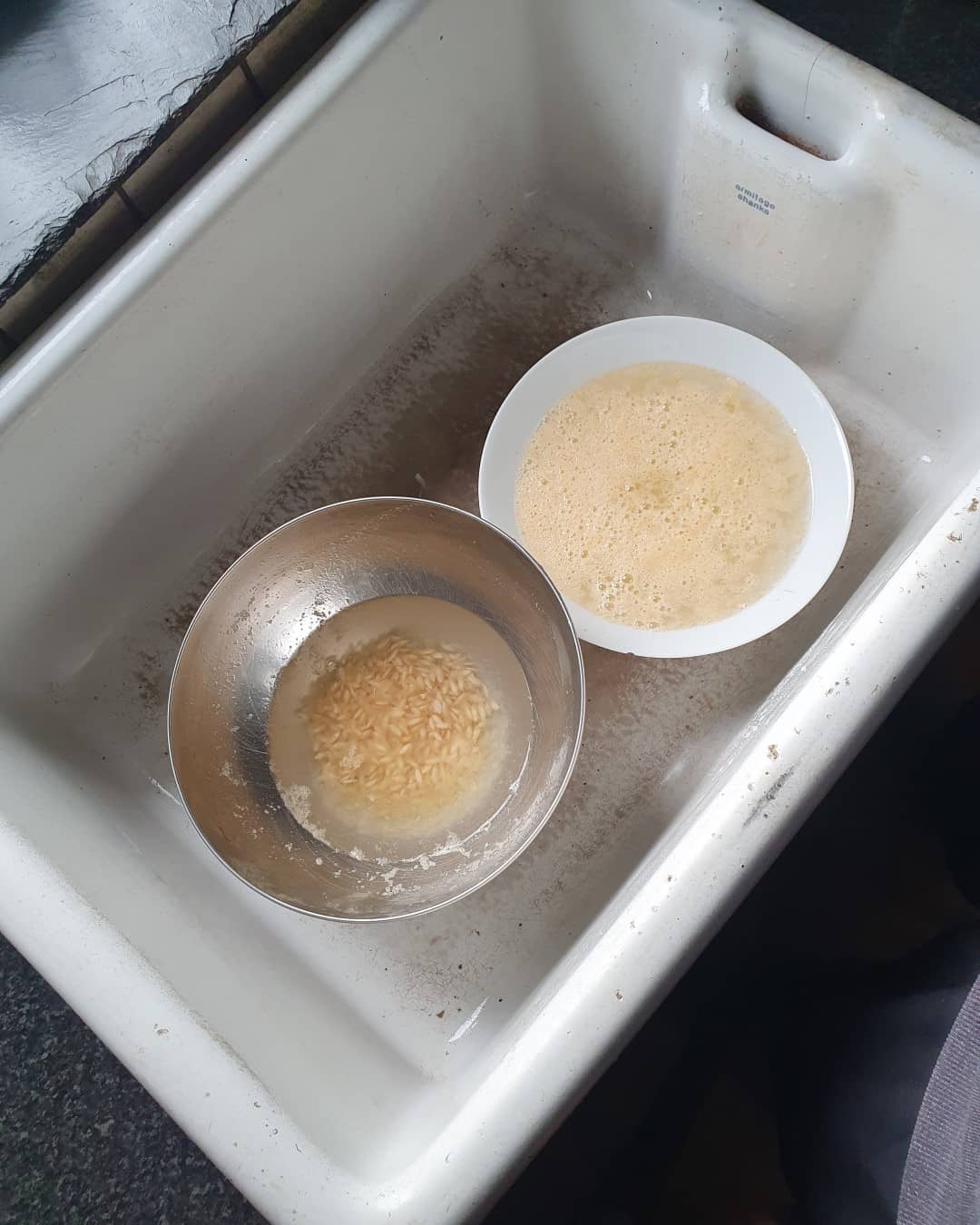
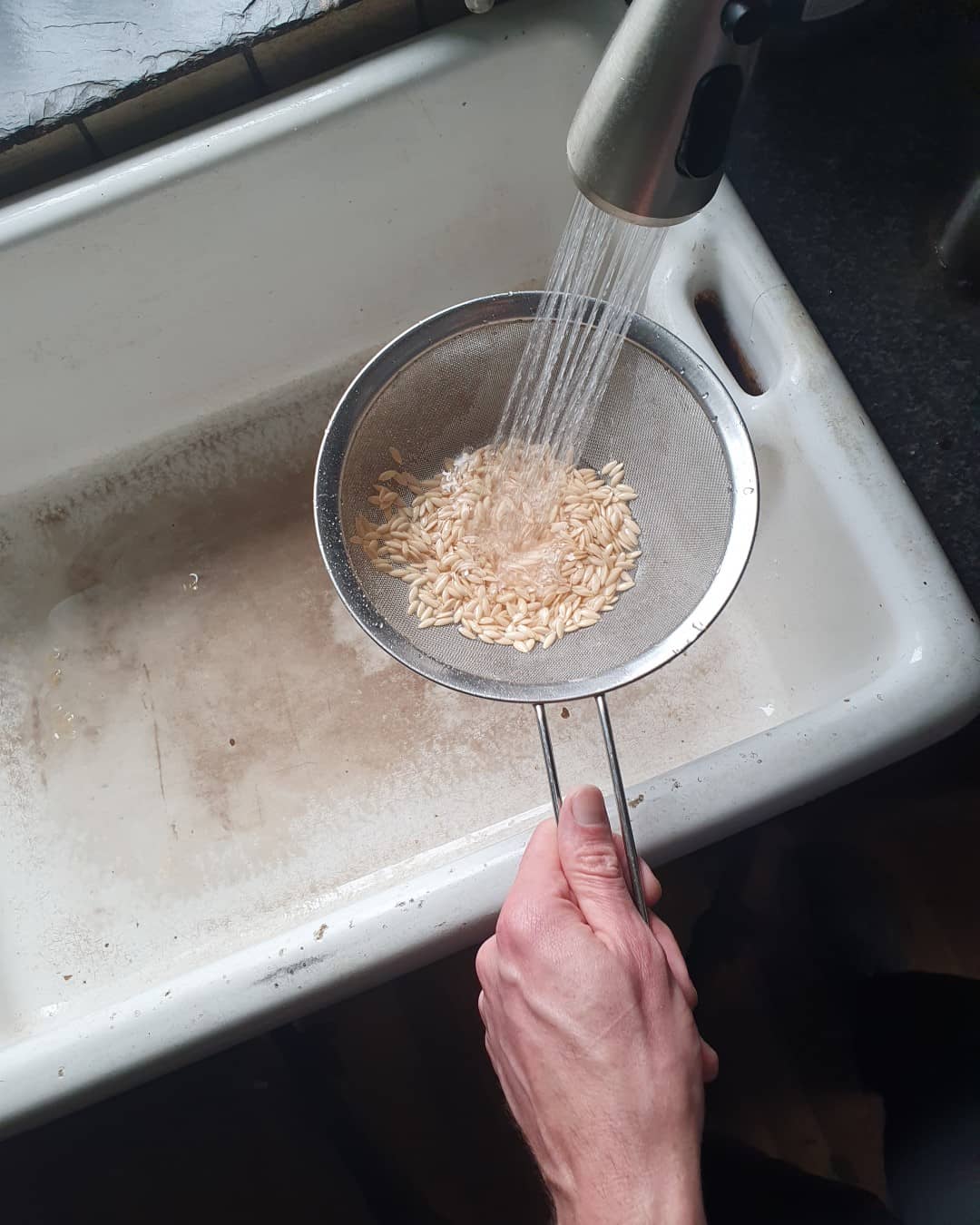
When fermentation is complete pour the mix into a large bowl and add water. Give it a stir and pour off the floating layer of pulp and floating seeds (seeds which float are probably not fully developed inside and are likely unviable). Repeat a few times. When the water is fairly clear wash the seeds vigorously in a sieve under a tap.
Drying
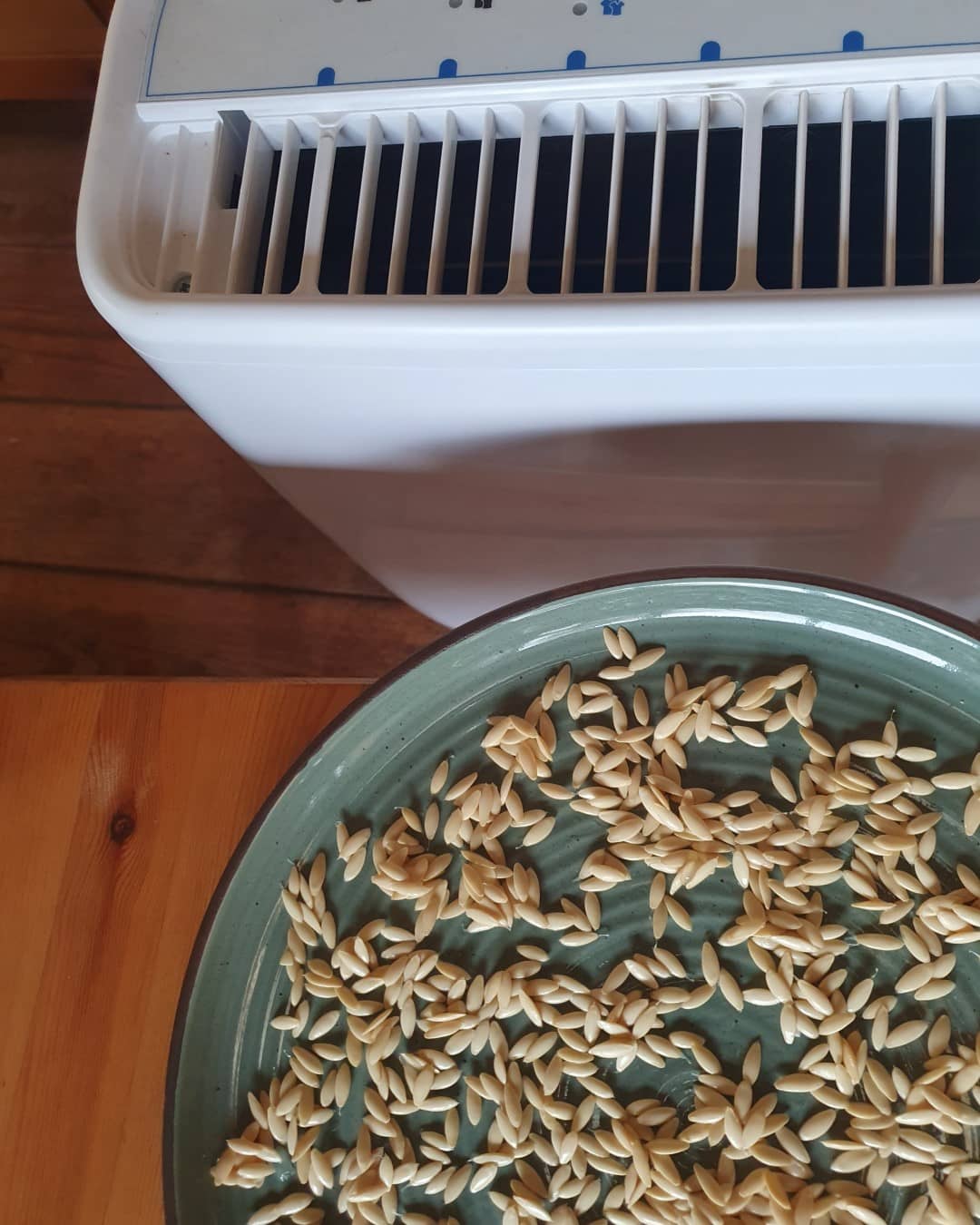
It is important to dry the seeds as quickly as possible. Sterile tea towels or kitchen paper can be used to wick away some of the moisture. Seeds can then be laid out on a plate and places somewhere warm, dry and airy. It should not take more than 2 days for them to dry fully. Placing them close to a dehumidifier is a good way of insuring the right conditions.
Cucumber ‘Ace’ – Irish Seed
Out of stock
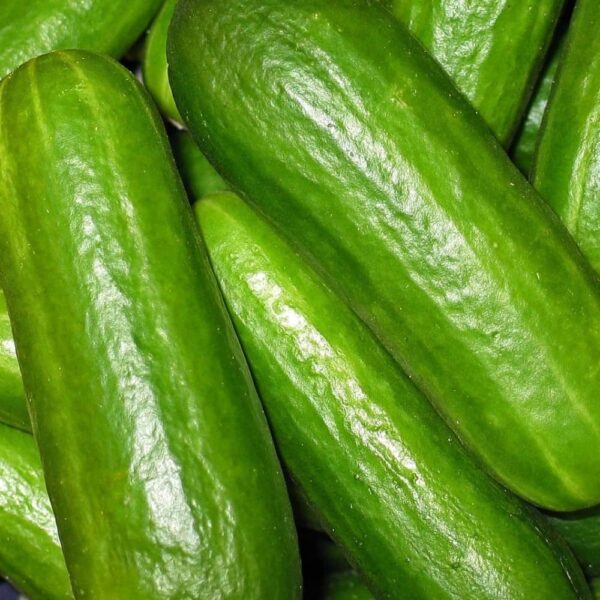
An heirloom cucumber (Cucumis sativus) from the US, also known as ‘A & C Pickling’ – presumably after the company who introduced it in 1928 , Abbot & Cobb of Philadelphia. A prolific producer of mostly straight fruits with dark green skins that hold their colour. Though a good choice for pickling, they are perfect for fresh use in salads, especially when picked a bit smaller.
Average 15 seeds per packet.
Out of stock
Cucumber ‘Persika’ – Irish Seed
In stock
‘Persika’ is a salad cucumber (Cucumis sativus) which has been bred biodynamically. It is suitable for indoor and outdoor production. It will always be more productive indoors in Irish conditions. Very productive variety with medium sized smooth skinned fruits. They are notably free of bitterness and have great flavour
Average 15 seeds per packet.
In stock