Open Pollinated & Heirloom Seeds Explained
When seed is sold as “open pollinated” it means that the plants grown from those seeds will be able to pollinate themselves naturally, either through cross or self pollination, and that the next generation of seeds will be ‘true to type’.
The most important thing is that open pollinated varieties produce seed that can be reused generation after generation to grow plants with their original traits. With the right care, anyone can save and regrow these seeds without having to buy new seed each year.
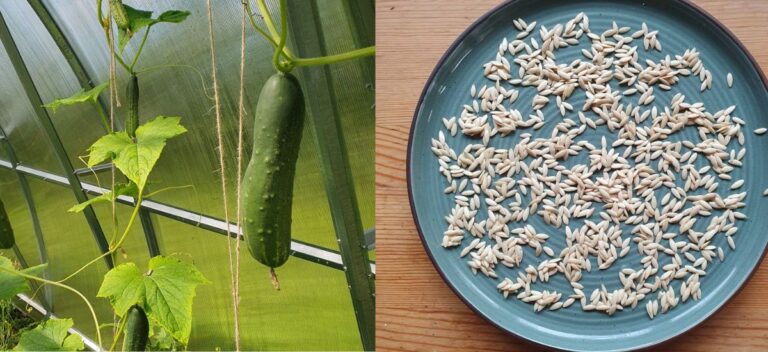
Cross pollination is the transferal of pollen between plants through means such as wind, insects or water. Gardeners may also choose to help the process along by manually transferring pollen with a brush or by introducing pollinators to the area. Examples of cross pollinating plants are beetroot, maize, squash and cucumbers.
Self pollination is when plants have the ability and tendency to pollinate themselves. They usually have both male and female organs within the one flower. Many self pollinating plants can also be cross pollinated by other plants of the same type. Examples of self pollinating plants are tomatoes, French beans, lettuce and peas. They are often the first plants that gardeners begin saving seed from as it is easier to insure that they remain true to type.
Trueness to Type will be the result of natural pollination of plants that are all of the same variety. When seeds from these are planted the offspring will have the same characteristics of the parent plants. The variety is said to be stable and have reliable genetic traits that produce consistently similar plants. The taste, colour, shape and growth habit will remain the same when seeds are saved and grown the following season. Open pollinated varieties usually work to balance this consistency whilst still maintaining a wide enough genetic diversity for the crop to be able to evolve and adapt to local conditions.
This is in contrast to hybrid seed that is produced by purposefully cross pollinating two different parent varieties. The resulting offspring from seed saved from hybrid plants would be an unpredictable mix up of the genetics of both parents.
Heirloom Varieties
An heirloom is an open pollinated variety that has been in cultivation for a long time. What a ‘long time’ constitutes is debated, with 40 years or older sufficing for some, but most insisting that an heirloom must predate the introduction of the first F1 hybrid varieties in the 1950s.
Though a term often overplayed in seed marketing, it is worth considering that if a variety has been kept in production for so long it must have desirable characteristics. These may be culinary as well as in growth habit. Many heirlooms have a reputation for exceptional flavour or colouring and are hardy or otherwise well adapted to the region they are traditionally grown in.
Growing them can also be a way of connecting with the past as many heirloom varieties come with some stories of their origin and journeys through cultivation. They can be personally resonant with people who might have eaten them as children or who are trying to reconnect with their heritage and its food culture.
From an ecological perspective, keeping heirloom varieties in use also keeps their genes available and so helps to preserve genetic diversity. The more people who have heirloom vegetables growing in their back yards, the safer this valuable gene pool is.