Cultivating Sea Beet
Sea beet (Beta maritima) is the wild crop relative to which all beet crops owe their lineage – beetroot, sugar beet, fodder beet and chard/leaf beet. As well as being the progenitor of these cultivated food plants, sea beet is one of the most widely gathered wild foods wherever it is found, a region stretching from the Caucasus to the Atlantic coastline.
Ever the busybodies, the Romans began cultivating it as a leaf vegetable. As it travelled North, selection for larger roots led to the development of what became the modern beetroot. The various, often colourful, variations of chard also emerged. Perpetual spinach, or leaf beet, is a kind of chard which is typically smaller, greener and more slim stalked than swiss chard. As such, it most resembles its wild maritime cousin. Growers are fond of it because it produces a lot of spinach like leaves and can be harvested many times over a long window. Some of the cheekier ones try to fob it off as annual spinach.
The leaves of sea beet are particularly excellent human fodder. This is because, like most plants that grow along the coast, they have adapted to the windy saline conditions by becoming succulent. It is abundant around the coast of Ireland and a very beginner friendly foraging plant. I’ve been curious for a while to try and cultivate it in a garden.
What I’m wondering:
- Will it still be succulent when grown away from its natural habitat?
- How does it compare to perpetual spinach varieties?
- Will it produce seed easily?
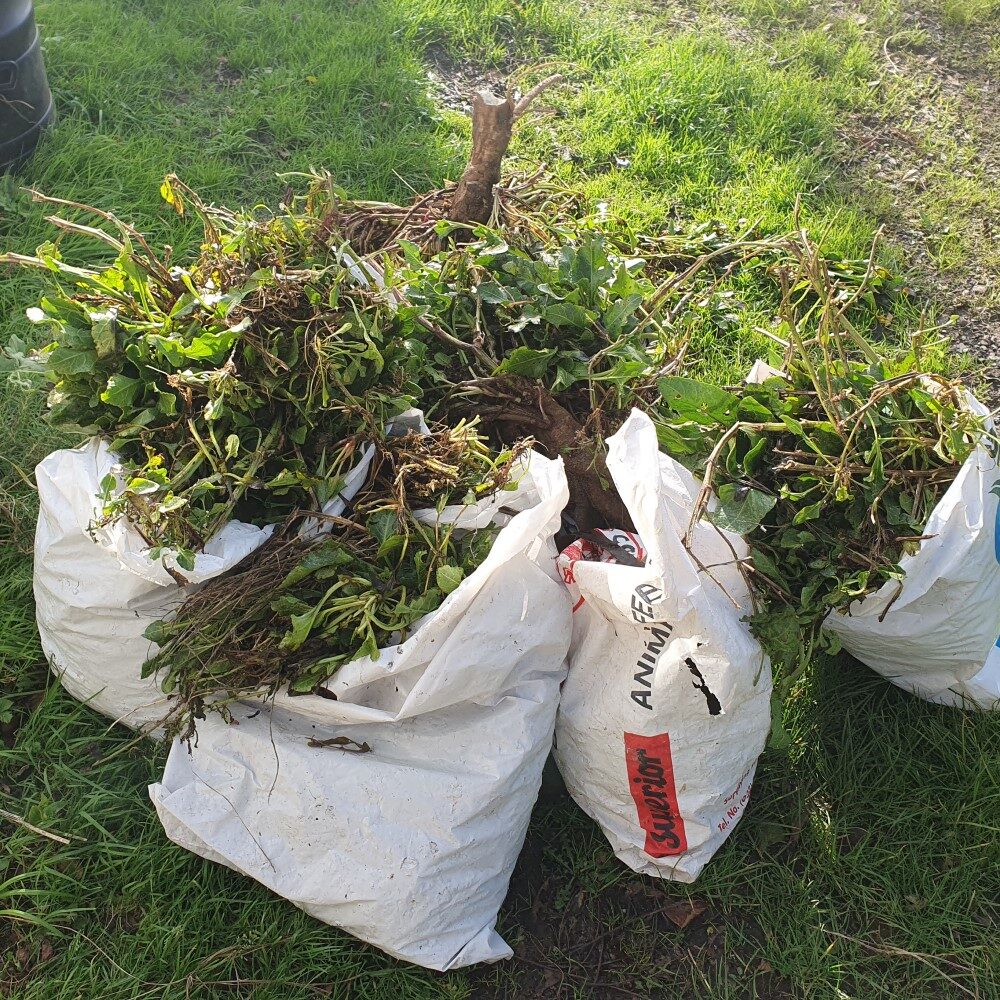
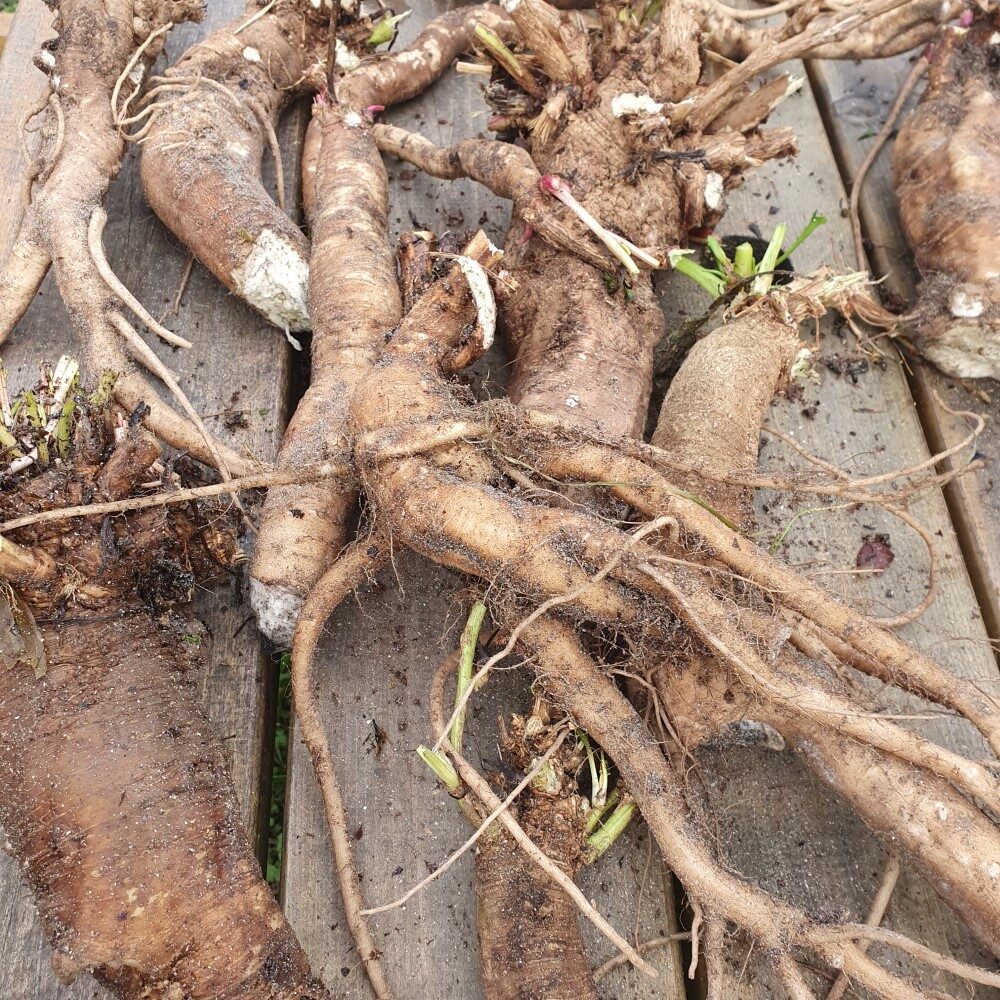
In 2021 I collected a small amount of seed from a population on a beach in West Cork but never got ’round to sowing it. At a training day in Irish Seed Savers, we were being shown how chard which was grown outside could be lifted and transplanted to a polytunnel for it’s second year of growth. They are biennial and so will flower and set seed in their second year. If they are in a polytunnel when this happens, dry conditions and a good seed crop are insured. This gave me the idea to go and liberate some of the sea beet roots from the tyranny of the beach, which I did. They are now storing in sand awaiting to be planted out this spring. This will speed things up a bit but I will also sow the seed this year to see how it goes.

Beets are wind pollinated and largely outbreeding through protandry (the male parts of the flowers mature before the female ones which minimises self pollination). Sea beet will cross with all the cultivated beets (B. vulgaris spp.) so a large isolation distance needs to be maintained from them when seed saving.