A round heirloom radish (Raphanus sativus) which produces roots with black textured skin that covers crisp white flesh inside. Medium to large variety producing radishes 5-10cm in diameter. They take a little longer to grow than other varieties but are larger, winter hardy and store better. Great for later sowings.
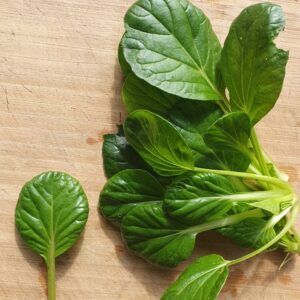
Tatsoi (Brassica rapa) is a fast growing cold tolerant leaf which is great for salads and stir fries. It can bolt in longer days if drought stressed. Ready to harvest in 6 weeks.
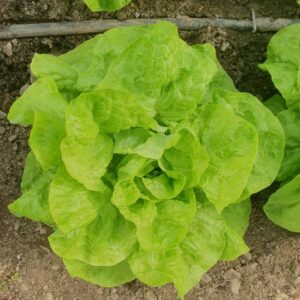
‘Valdor’ is a well proven winter hardy butterhead lettuce (Lactuca sativa). It produces medium sized heads with the soft green leaves and great taste typical of butterheads. Can be grown outside in Ireland from a September sowing. Will produce even better in a polytunnel or under a cloche.
‘Bolivian Rainbow’ chili pepper is a variety which can be grown for both its ornamental value and its small pretty-hot chilies. The fruits are small and conical and ripen through purple, yellow, orange and red as they mature. Plants are an ideal size for growing in pots on a windowsill, conservatory or anywhere that space is limited.
Start seeds as early as possible with supplementary heat and light if necessary.
‘Purple Frills’ is a mustard (Brassica juncea) variety with very fine deeply serrated leaves. As such it is an attractive addition to salads whilst also giving a little spicy kick. Mature leaves can be stir fried or blanched as a spinach alternative.
It’s very winter hardy and if sown in Autumn can go until the frosts, or all year under cover. In summer sow little and often and don’t forget to eat the yellow flowers when the plants bolt. Mustards produce abundant seed so it is a good candidate for anyone who wants to grow their own microgreen seed.
‘Golden Frills’ is a mustard (Brassica juncea) variety with very fine serrated leaves. As such it is an attractive addition to salads whilst also giving a little spicy kick. Mature leaves can be stir fried or blanched as a spinach alternative.
It’s very winter hardy and if sown in Autumn can go until the frosts, or all year under cover. In summer sow little and often and don’t forget to eat the yellow flowers when the plants bolt. Mustards produce abundant seed so it is a good candidate for anyone who wants to grow their own microgreen seed.
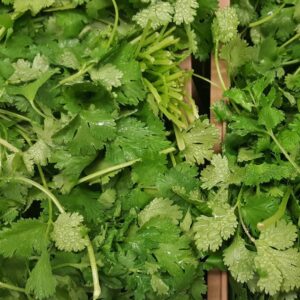
Coriander (Coriandrum sativum) is an annual herb that produces tangy leaves and aromatic seeds. The word ‘cilantro’ is usually used to refer to the leaves of the plant which are used fresh or dried whilst ‘coriander’ usually refers to the seeds of the plant which are ground up as a spice. C. sativum is indigenous to the Mediterranean and Middle East regions. It has been cultivated further afield for millennia.
Plants grow to 60cm tall and have alternate feathery leaves emanating from a central main stem.
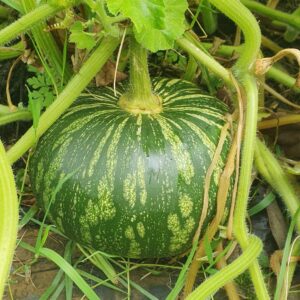
A productive Cucurbita moschata which grows and ripens well outside in Ireland. Striking panther print pattern on the skin which lightens in colour as the squash cure. Fruits ranging from around 25 – 35cm in diameter.
The firm flesh is a vibrant orange colour and the central cavity is small. I found it not so good for roasting as other squash – it seems to be wetter and almost mushy when roasted compared to the more starchy maxima type squashes. Perfect for soup and pies and eating raw.
Sow in 9cm pots in early May and plant out when plants are robust enough.
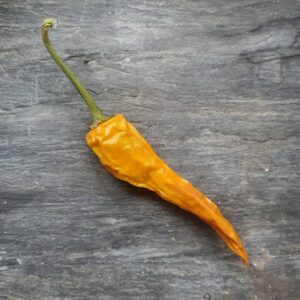
Yellow version of the well known cayenne pepper. Their thin walls make them ideal for drying but they are also great to use fresh. Plants grow to about 60cm tall and are unfussy. They produce an abundance of fruits. Take care when sowing as the capsaicinoid chemicals which give chillies their heat is abundant on the seeds.
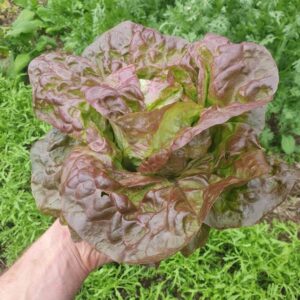
‘Marvel of Four Seasons’ is a heritage red and green butterhead lettuce (Lactuca sativa). Leaves are crinkled and tender and form a loose head around a small heart. The head can be harvested all at once or leaves can be taken from the outside over multiple harvests.
Lettuce is best grown as transplants. Can be started off in modular trays from as early as January if you have a heated propagator (be careful to not let lettuce seed get above 23°C as the seed can go dormant then and not germinate). Sow seeds very shallowly or just sit on top of the compost and water gently. From spring no additional heat should be required. Butterhead lettuces are ideal for winter sowing and can be seeded until the end of September.
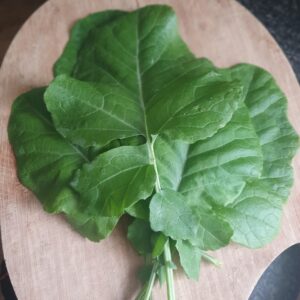
Originating from North Africa, Texsel greens (Brassica carinata) came about as a hybrid between black mustard (B. nigra) and B. oleracea. It is known by various other names such as Ethiopian mustard or garlic kale. An annual crop grown as a salad or cooking green – more delicate in flavour than other Brassica greens. Can be picked multiple times and the flowering stems cooked when it does start bolting. Successional sow for a steady supply.
Can also be grown as a green manure or cover crops as a similar way to mustard.
Average 200 seeds per packet.
10g is approximately 2,000 seeds.
Select options
This product has multiple variants. The options may be chosen on the product page
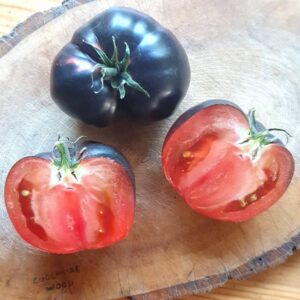
I got this variety from Les Refardes in Catalonia where it is noted as coming from California originally. It is a tall bush variety so needs some supporting. They are not the most productive but it is the blackest colouring I’ve seen on a tomato and the flesh is flavourful and meaty. The fruits hold their quality for a long time. I think it must be very high in anthocyanins and worth keeping going to have for breeding and curiosity.
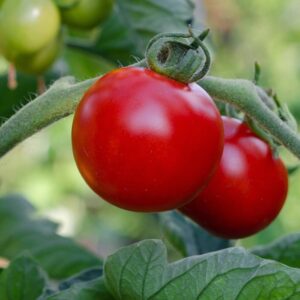
‘Figiel’ is a bright orange cocktail cherry tomato from Poland. They are an indeterminate type and produce small round tomatoes with a diameter of 3cm and a weight of around 25g. They are noted as being resistant to cracking and I found this to be the case. Very tasty and good for adding colour to salads, eating directly or cooking with. Figiel means Joke in English.
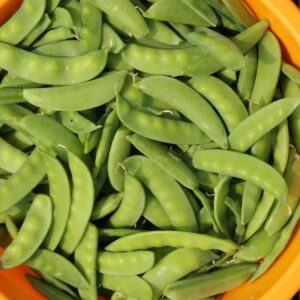
‘Ambrosia’ produces a good yield of medium sized pods early in the season. Not the tallest pea but still needs some support. They are great for eating raw or cooking al dente. Pick regularly to encourage more flowering and more pods.
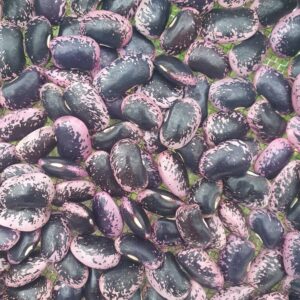
A heritage German runner bean that I sourced from Irish Seed Savers. Produced lots of short runner beans which ripened really well into dry beans outside. I speculate that the shorter podded varieties might be best for producing dry beans as the pods seem to ripen and dry more quickly.