Naked Barley ‘Jet’ – Irish Seed
€3.00
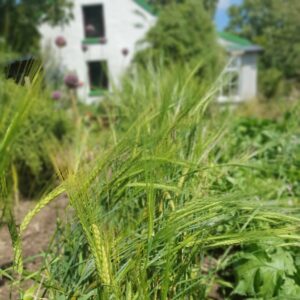
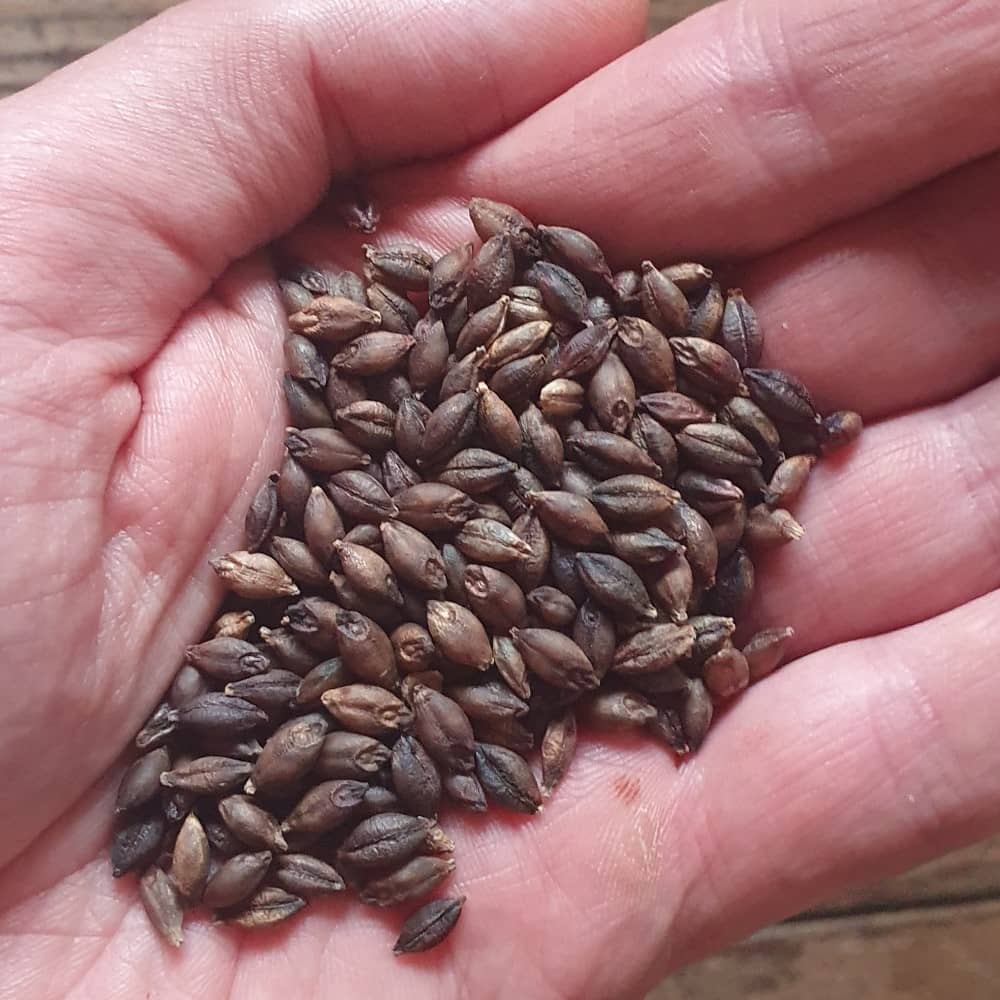
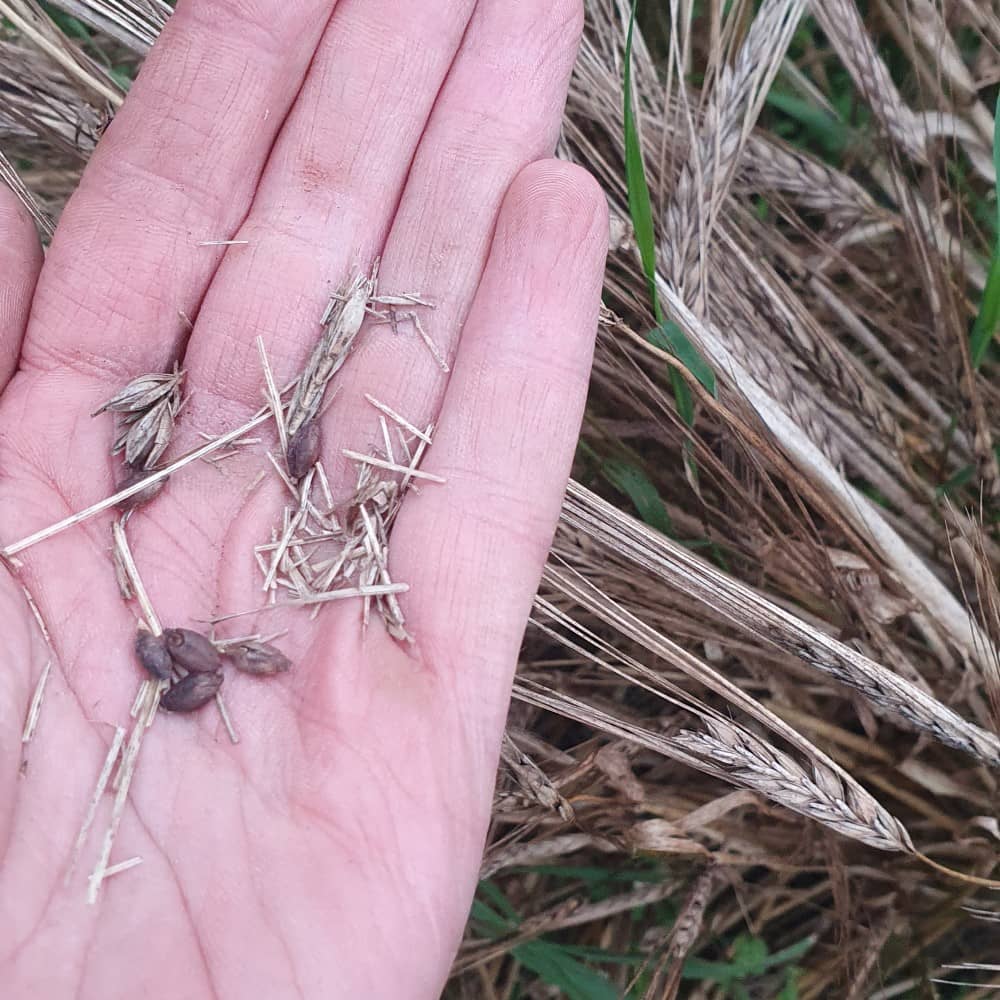
Originating from Ethiopia, ‘Jet’ Barley is a spring planted 2 row hulless barley with a massive protein content (16%). It has been shown to be unaffected by drought in the early stages of development. It is also reported to have high resistance to smut – a disease of barley caused by the fungus Ustilago nuda.
Lodged (fell over) a bit in 2024 as did many grains in that wet summer. Excess fertility can also cause this to happen as too much nitrogen causes cereals to produce taller skinnier stems which are prone to collapse. Not planting too densely also helps.
I sow it in rows with a hoe’s width between so I can easily weed until they are established. It is generally recommended to sow barley at a rate of 300 plants per m2. For example, if there was 20cm between your rows then you would be sowing a seed approx. every 1.5cm to achieve this rate.
Average 200 seeds per packet.
In stock
Hulless Barley
Naked, or hulless, barley is a type of barley (Hordeum vulgare) in which the husks separate easily from the grains. For this reason they are suitable for small scale growing as they don’t need industrial processing. They can be used right from harvest though much of the loose husk will still need to be rubbed off the grains. It is a perfect whole grain and can be cooked in stews, added to salads or to replace rice.
Barley is an ancient grain which was domesticated in the Near East around 10,000 years ago. Originally barley had a tight indigestible hull which needed to be removed by processing. At some point a genetic mutation which caused the hull to shed easily occurred and this trait spread rapidly. It was a major crop for humans until it was largely displaced by bread wheat which, with it’s high gluten content, could be used to make leavened bread. Barley became mostly used for brewing and animal feed where hulled varieties are more useful due to higher yields and other reasons.
Naked barley was most likely what was introduced into Ireland around 4000-3000BC by European Neolithic farmers who also brought with them wheat, cattle, sheep and goats. This period marks the transition from hunter gathering lifestyles to farming in Ireland.