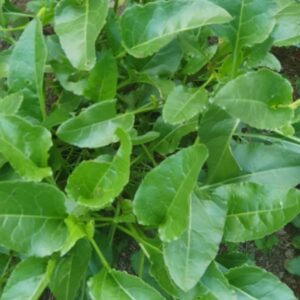
Leaf beet, aka perpetual spinach, is a type of chard with green leaves and slim stalks that can be harvested for a much longer period than annual spinach. With successional sowing leaf beet, like chard, can be harvested all year round. It is very winter hardy and doesn’t bolt in the summer (until its second year in which case you can grow on for seed).
‘Erbette’ is a popular variety with market gardeners as it is acceptable to most customers in lieu of annual spinach which is much more fiddley to grow.
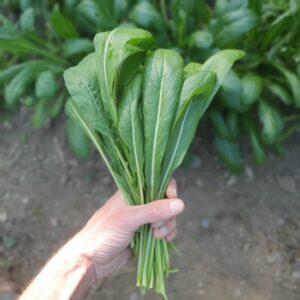
Mibuna (Brassica rapa) is considered a Japanese vegetable and named after the town of Mibu where it has grown for centuries. The long narrow leaves can be used at any stage for salads. They get a bit tougher and stronger tasting as the plant ages and are then ideal for cooking and stir frying. Grows in a clump form and is perfectly suited to pick and come again treatment.
Sow from April to September outside or almost anytime indoors. I find it very cold hardy. Can be direct sown or raised in modules. I usually prefer the latter to get a head start on slugs. Like other Brassica salads, flea beatle can be a problem – keeping them well watered in dry periods will help.
Being a mustard species mibuna produces a lot of seed. It’s a good candidate for growing seed for microgreens or baby leaf salad.
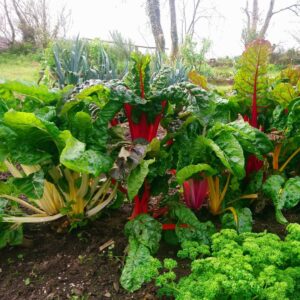
Chard is an easy to grow crop which is very winter hardy. With successional planting you can harvest chard at anytime of the year in an Irish garden. Rainbow chard is an attractive mix ranging from white through yellow, pink and rhubarb red. Eat small leaves raw in salads or cook larger leaves and stems.
Average 100 seeds per packet.
10g is enough seed for more than 500 plants
Select options
This product has multiple variants. The options may be chosen on the product page
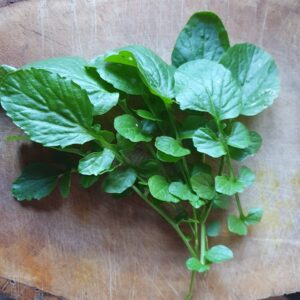
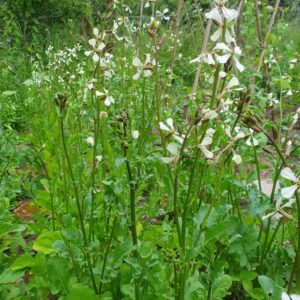
Wintercress (Barbarea vulgaris) is a crop for the colder months which provides very nutritious but somewhat bitter leaves. Very rich in Vitamin C. Much easier to grow than Watercress, it will tolerate poor soil and variable conditions.
Sow in August and September. The lower temperatures at this time of year can help encourage seed germination. Some leaves can be harvested from early the following year. Plants will grow taller (~60cm tall) in their second year.
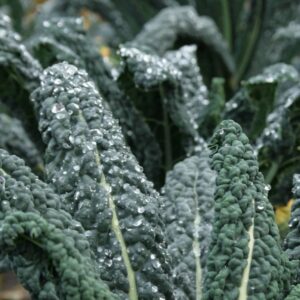
Also known as Cavolo Nero or Tuscan Kale. Easy to grow kale which has been grown in Tuscany for centuries. Very winter hardy. Other kales are more productive for leaf volume but I find Tuscan kale makes up for it in early Spring when it produces huge quantities of flower shoots that can be harvested like purple sprouting broccoli.
Annual Rocket (Eruca sativa) is a spicy salad leaf which is very easy to grow. Added to salads and sandwiches for a peppery kick and often lashed onto pizzas for some reason. It is best to sow larger amounts early or late in the season as the long days of summer cause it to bolt very quickly. The flowers make a nice edible garnish though and provide food for pollinators so how bad. During the summer it could be planted little and often. Very cold hardy.
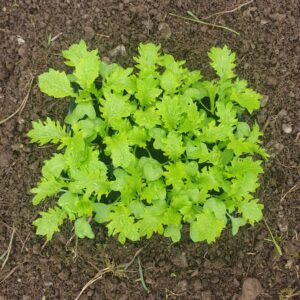
‘Golden Frills’ is a mustard (Brassica juncea) variety with very fine serrated leaves. As such it is an attractive addition to salads whilst also giving a little spicy kick. Mature leaves can be stir fried or blanched as a spinach alternative.
It’s very winter hardy and if sown in Autumn can go until the frosts, or all year under cover. In summer sow little and often and don’t forget to eat the yellow flowers when the plants bolt. Mustards produce abundant seed so it is a good candidate for anyone who wants to grow their own microgreen seed.
‘Purple Frills’ is a mustard (Brassica juncea) variety with very fine deeply serrated leaves. As such it is an attractive addition to salads whilst also giving a little spicy kick. Mature leaves can be stir fried or blanched as a spinach alternative.
It’s very winter hardy and if sown in Autumn can go until the frosts, or all year under cover. In summer sow little and often and don’t forget to eat the yellow flowers when the plants bolt. Mustards produce abundant seed so it is a good candidate for anyone who wants to grow their own microgreen seed.
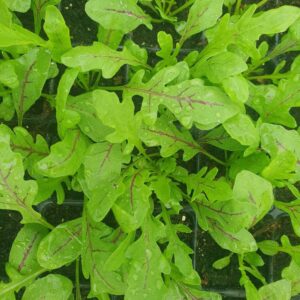
A red veined variant of perennial, or ‘wild’, rocket (Diplotaxis tenuifolia). The lobed leaves have a deep crimson veining and are fuller than regular wild rocket but it is grown the same way.
Perennial, or ‘wild’, rocket (Diplotaxis tenuifolia) is very popular now and increasingly likely to appear in your salad. For good reason – the flavour is nice and sharp and doesn’t get bitter, even in the older leaves. The leaves are more slender and deeply serrated than annual rocket, and don’t go limp soon after picking. Makes good pesto and in the second year is conveniently ready to harvest at the same time as wild garlic. Can harvest as cut and come again… and again the following year.
Sow enough plants so you will be able to pick sparingly and regularly from each one without weakening individual plants. Seeds are quite small. I plant around 4 seeds per module in a tray and then plant outside in their final home a few weeks later. The long summer days will trigger flowering. You can pick off the flowering stems to encourage more leafy growth or let them flower and collect the seed in Autumn.
Purple Sprouting Broccoli provides an early season treat when not much else is available in the garden. This is a late maturing selection which can be harvested March – May. Because it is an overwintered crop beginner gardeners often assume it is to be sown late in the season. However it should be sown in spring/early summer so that the plants are already well established going into winter.
Average 100 seeds per packet
Sow: May to June Harvest: March-May Spacing: 60-80cm between plants
‘Wasabino’ is a variety of mustard (Brassica juncea) which has a gentle horseradish/wasabi flavour along with the usual spicy kick. Young leaves are light green, with serrated and wavy edges and are ideal baby leaf salad. Older leaves are tougher and better for stir frying. Very cold hardy so if you have a polytunnel you could grow it all year round.
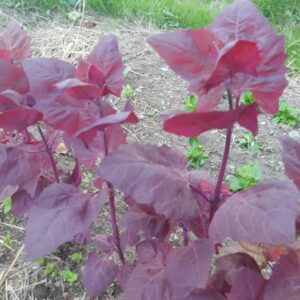
Red Orache is a very attractive and easy to grow plant which can be used like spinach. When young you can eat the plant whole. If you let it grow on it will reach a height of more than 1m and then only eat the leaves as the stem will be fibrous. It will not bolt like spinach.
Seeming like an exotic thing to me, I was surprised to see how well it coped with the dismal summer of 2023.
However, maybe I shouldn’t have been surprised as it is a member of the Amaranthaceae, or goosefoot, family and looks a bit like a large red coloured fat-hen.