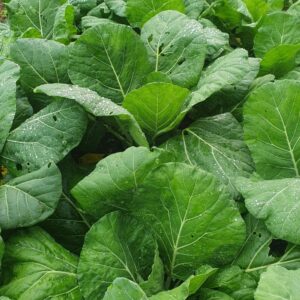
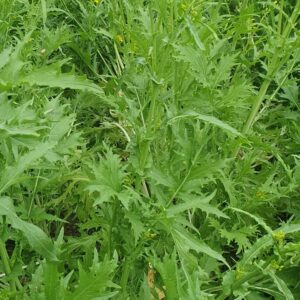
Collard greens belong to the loose-leaved group of Brassica oleracea, like kales, and have been grown since antiquity. Popular in the southern US, collards are known for their heat tolerance but they are also very winter hardy and light frost will sweeten the flavour. They can be sown from Spring until late Summer. Plants are biennial so a late sowing will overwinter and produces flowers and seed the following year.
I think of them as a way to have a steady supply of cabbagey leaves throughout the season without having to grow head forming cabbages. ‘Champion’ collards produce large dark blue-green leaves which are mild in flavour. The large leaves are ideal for making cabbage rolls.
The open growth habit make collards less susceptible to fungal diseases than head forming cabbages and also doesn’t create as much habitat for slugs and snails to make home in.
Average 150 seeds per packet.
10g is more than 2,500 seeds.
Select options
This product has multiple variants. The options may be chosen on the product page
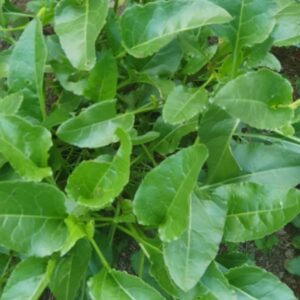
Leaf beet, aka perpetual spinach, is a type of chard with green leaves and slim stalks that can be harvested for a much longer period than annual spinach. With successional sowing leaf beet, like chard, can be harvested all year round. It is very winter hardy and doesn’t bolt in the summer (until its second year in which case you can grow on for seed).
‘Erbette’ is a popular variety with market gardeners as it is acceptable to most customers in lieu of annual spinach which is much more fiddley to grow.
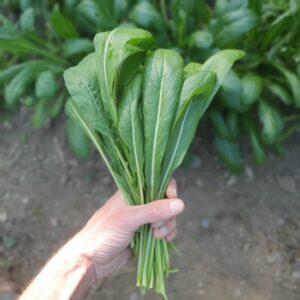
Mibuna (Brassica rapa) is considered a Japanese vegetable and named after the town of Mibu where it has grown for centuries. The long narrow leaves can be used at any stage for salads. They get a bit tougher and stronger tasting as the plant ages and are then ideal for cooking and stir frying. Grows in a clump form and is perfectly suited to pick and come again treatment.
Sow from April to September outside or almost anytime indoors. I find it very cold hardy. Can be direct sown or raised in modules. I usually prefer the latter to get a head start on slugs. Like other Brassica salads, flea beatle can be a problem – keeping them well watered in dry periods will help.
Being a mustard species mibuna produces a lot of seed. It’s a good candidate for growing seed for microgreens or baby leaf salad.
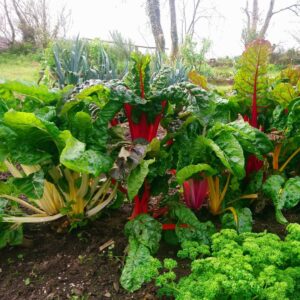
Chard is an easy to grow crop which is very winter hardy. With successional planting you can harvest chard at anytime of the year in an Irish garden. Rainbow chard is an attractive mix ranging from white through yellow, pink and rhubarb red. Eat small leaves raw in salads or cook larger leaves and stems.
Average 100 seeds per packet.
10g is enough seed for more than 500 plants
Select options
This product has multiple variants. The options may be chosen on the product page
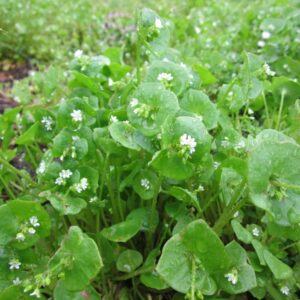
Winter Purslane (Claytonia perfoliata) is an easy to grow hardy salad crop. Also known as Miner’s Lettuce, its wild relative if found all along the North American Pacific coast. The leaves are succulent and mild in flavour. Eat raw in salads or used like spinach for cooking.
A must-have excellent winter leaf of mild flavour and incredibly succulent, soft and juicy texture. Winter purslane,
also known as miners lettuce or claytonia, has heart-shaped elegant looking leaves which are small, abundant and
make a great cut-and-come-again salad green. You will get a productive harvest all winter and early spring and if
left to self seed, it will just keep coming back year after year.
Average 2000 seeds (1g) per packet.
Select options
This product has multiple variants. The options may be chosen on the product page
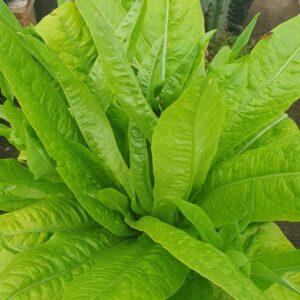
An heirloom lettuce from the 16th Century. Produces an abundance of long pointed leaves from a star shaped rosette. Stays sweet even when conditions are dry. Great cut and come again variety – harvest the leaves from the outside. The large leaves and quick growth make it a high yielding lettuce.
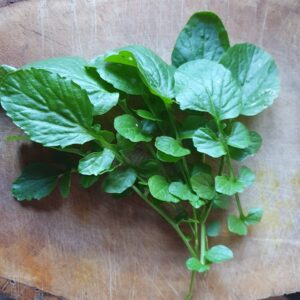
Wintercress (Barbarea vulgaris) is a crop for the colder months which provides very nutritious but somewhat bitter leaves. Very rich in Vitamin C. Much easier to grow than Watercress, it will tolerate poor soil and variable conditions.
Sow in August and September. The lower temperatures at this time of year can help encourage seed germination. Some leaves can be harvested from early the following year. Plants will grow taller (~60cm tall) in their second year.
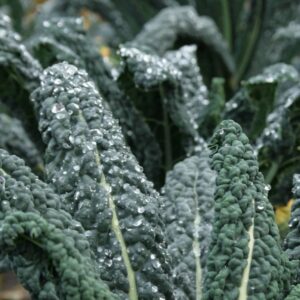
Also known as Cavolo Nero or Tuscan Kale. Easy to grow kale which has been grown in Tuscany for centuries. Very winter hardy. Other kales are more productive for leaf volume but I find Tuscan kale makes up for it in early Spring when it produces huge quantities of flower shoots that can be harvested like purple sprouting broccoli.
An interesting cross of mizuna and tatsoi. Mizpoona has a mild mustard flavour and young frilled leaves are flavourful without being overpowering. Resembles a giant mizuna more so than tatsoi. Very vigorous and cold hardy plants which will produce a lot of leaves. The larger leaves are ideal for lightly cooking or stir-frying. Bred by legendary plant breeder Frank Morton.
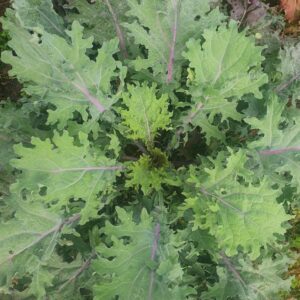
Red Russian is an extremely frost hardy and tender kale. It is also known as Siberian kale and sometimes Ragged Jack kale due to its serrated and feathery leaves. The blue-green leaves are rippled with purple veining. The leaves are much softer than other kales and are particularly good for harvesting young as baby kale. Sow in Spring and again in late Summer for an overwintering crop.
The Russian kales (Brassica napus) are a different species than the other kales (B. oleracea) so will not cross if growing for seed. They are, however, the same species as Swedes (usually refereed to as turnips in Ireland and rutabagas in North America) and oilseed rape so can cross with these. As a biennial, it will flower and set seeds the following summer from planting. If you have the space you can leave it there and collect seed from around late July.
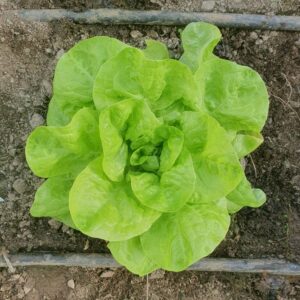
‘Winter Wonder’ is a traditional Italian butterhead lettuce (Lactuca sativa) which is known for its cold tolerance allowing it to be sown early and late in the season. Produces tender green heads of loosely bound leaves.
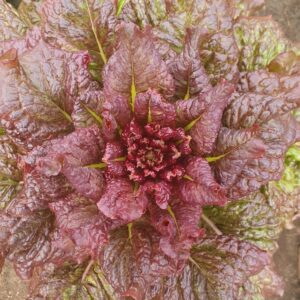
‘Mira’ is a red butterhead lettuce (Lactuca sativa) which produced the largest heads in a winter trial in 2025. Leaves are soft and tender and form a loose head. The head can be harvested all at once or leaves can be taken from the outside over multiple harvests. It is a medium early variety. Earlier maturing varieties of lettuce tend not accumulate as much nitrates as slower growing varieties.
Lettuce is best grown as transplants. Can be started off in modular trays from as early as January if you have a heated propagator (be careful to not let lettuce seed get above 23°C as the seed can go dormant then and not germinate). Sow seeds very shallowly or just sit on top of the compost and water gently. From spring no additional heat should be required. Butterhead lettuces are ideal for winter sowing and can be seeded until the end of September.
‘Rosela’ is an early lettuce (Lactuca sativa) with large crinkled leaves that have a burgundy red colouring. Can be used as a cut and come again lettuce by harvesting outer leaves or harvest as a whole head which is ready in about 50 days from sowing. Crisp and good taste perfect for salads and sandwiches.
Being an early variety means it has a relatively short vegetative period and so is a good variety for saving seed from in Irish conditions where plants need to flower and set seed before the weather conditions decline. It is cold tolerant so with successional sowing you should be able to have fresh leaves most, if not all, of the year round.
Lettuce is best grown as transplants. Can be started off in modular trays from as early as January if you have a heated propagator (be careful to not let lettuce seed get above 23°C as the seed can go dormant then and not germinate). Sow seeds very shallowly or just sit on top of the compost and water gently. From spring no additional heat should be required.
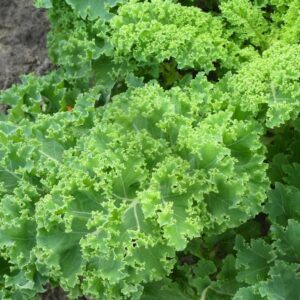
Kale ‘Dwarf Green Curled’ is recorded as a Scottish heirloom dating back to the 19th century. As the plants don’t get as large as other varieties they are ideal for smaller growing spaces or for closer planting and the harvesting of smaller leaves. Their short stature also makes them more suitable for exposed and windswept sites.
Average 150 seeds per packet.
Select options
This product has multiple variants. The options may be chosen on the product page
An easy to grow salad green with serrated leaves and a mild peppery flavour. Milder in flavour than rocket and mustard salads. Mizuna greens (Brassica rapa var. nipposinica) can be sown successionally to provide greens all year round. They are particularly useful for sowing early or late in the season as they are very cold hardy and can bolt in the longer summer days.
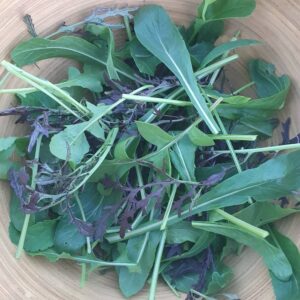
A mix of oriental leaves to give a variety of leaf shapes and a nutritious spicy lift to salads. Mix includes rocket, mizpoona, purple frills mustard and mibuna. Asian salad greens are cool season crops and are best grown early or late in the season. They are cold hardy and won’t bolt in the shorter days. In summer, when the days are long and temperatures higher they will go to flower quickly. Can be sown at regular intervals for baby leaf salads.
Under cover in a polytunnel or glasshouse, they can be sown from February to April and from September to October. If growing outside, seed can be sown directly from April to May and from August to September.